


Marble, the Material That Never Goes Out of Style
Marble is one of the few materials that has maintained its place in interior design regardless of changing trends. Today, it is closely associated with biophilic design — a philosophy that brings natural elements closer to our daily lives and enhances the feeling of balance within a space. As a natural material, marble fits perfectly into this concept, bringing the strength and beauty of nature into interior environments. It is no coincidence that architects and designers consistently choose marble to create spaces with a sense of calmness and timeless elegance, from luxury hotels to modern urban apartments.
The Texture and Aesthetic That Give Character to a Space
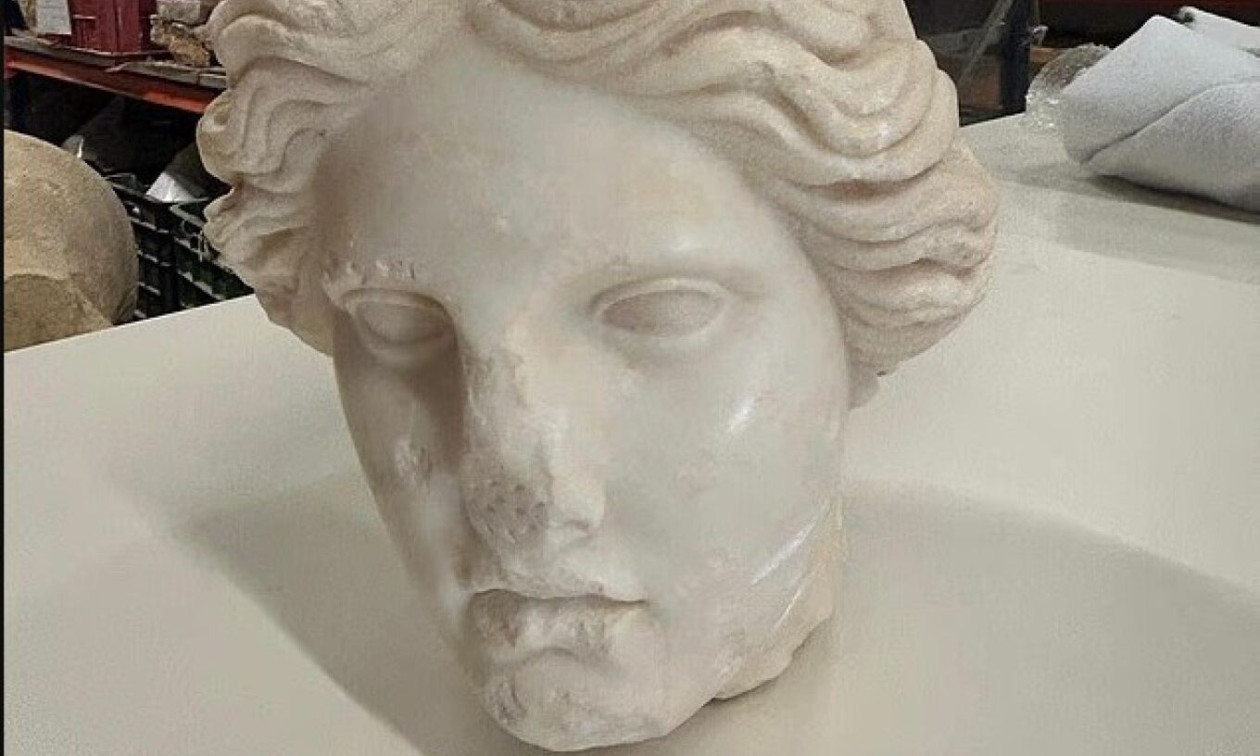
Marble stands out for something that is difficult to replicate: its natural beauty. The distinctive veins running across its surface create unique patterns, making every piece different. It is a material that impresses not only visually but also through touch, thanks to its smooth and silky texture.
Its shades range from soft to bold tones. This variety allows marble to adapt to different interior design styles, adding depth and intensity to the atmosphere of a space.
Beyond its high aesthetic value, marble is also an exceptionally durable material. With proper care, it can preserve its appearance for decades, which explains why it has been used for centuries without losing its charm.
Colors and Origins for a Unique Result
The appearance of marble is significantly influenced by its region of origin.
White Carrara marble from Italy, with its characteristic gray veining, is considered one of the most recognizable marbles in the world.
Nero Marquina from the Basque Country in Spain features a black background with striking white veins.
Green marble from Guatemala offers a more natural and contemporary character.
Crema Marfil from Alicante, Spain, with its cream-colored tone, conveys a sense of luxury.
Among the most internationally recognized marbles, Greek marbles also hold a special place as timeless references in architecture. Famous examples include the marbles of Penteli, Dionysos, Tinos, and Paros.
Finishing also plays an important role. A polished surface creates strong light reflection and highlights the veining, while a matte finish offers a softer effect, ideal for more subtle applications.
From Flooring to Decorative Details
Marble is no longer limited to large surfaces such as floors or fireplaces. Today, it is used throughout the home: in living rooms, kitchens, bathrooms, and even bedrooms.
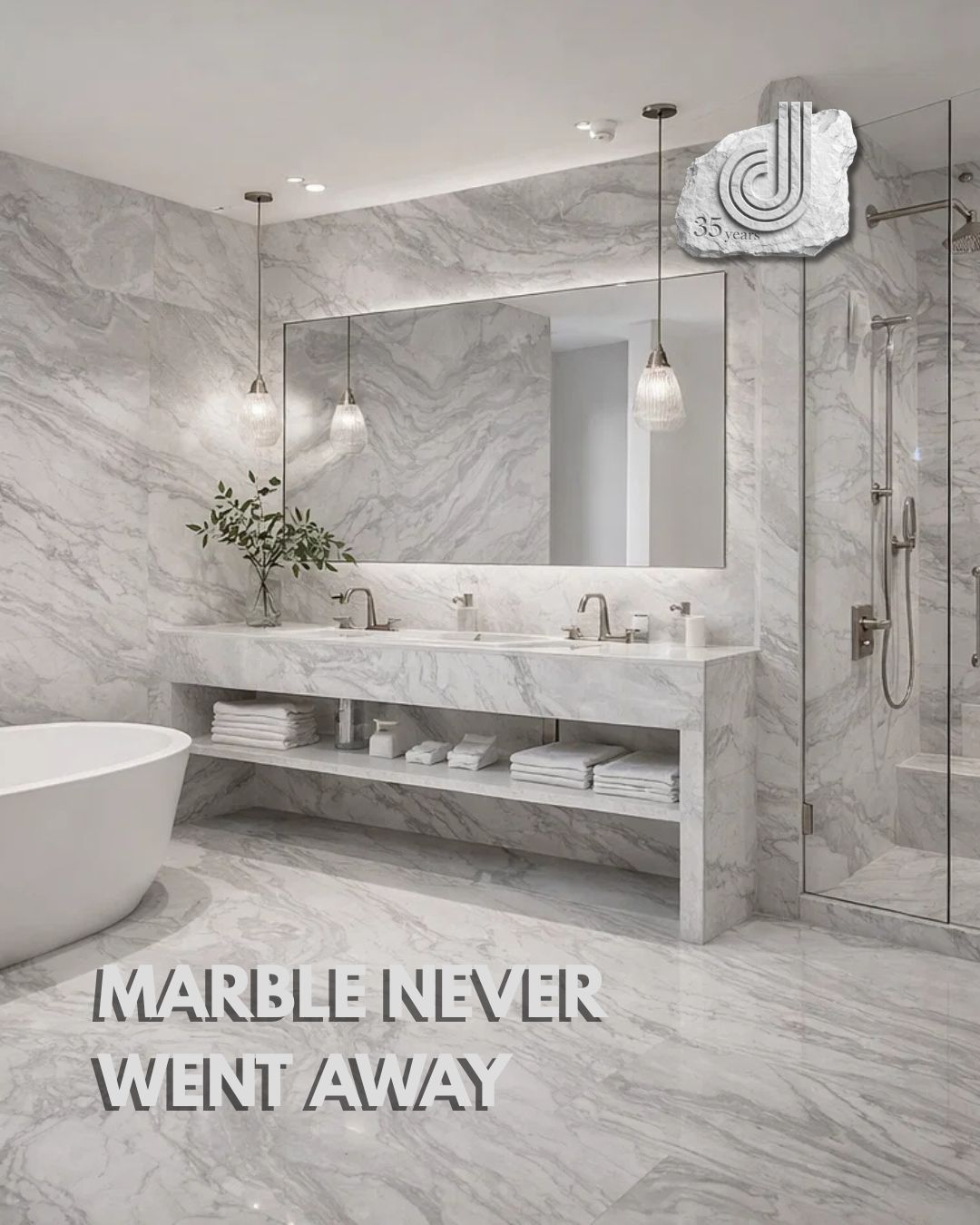
White marble, for example, is ideal when the goal is to brighten a space or create the impression of greater volume. In bathrooms, it creates a relaxing spa-like atmosphere, while in kitchens it is often used for islands or countertops, combining practicality with aesthetics. Darker marbles are particularly suitable for modern interiors with a minimalist style.
Its wide range of colors, varied textures, and countless applications make marble a material that easily adapts to every aesthetic approach.
Source: https://www.protothema.gr/afieromata/all-about-home-2026/article/1810766/marmaro-to-uliko-pou-den-feugei-pote-apo-ti-moda/?shem=rimspwouoe,